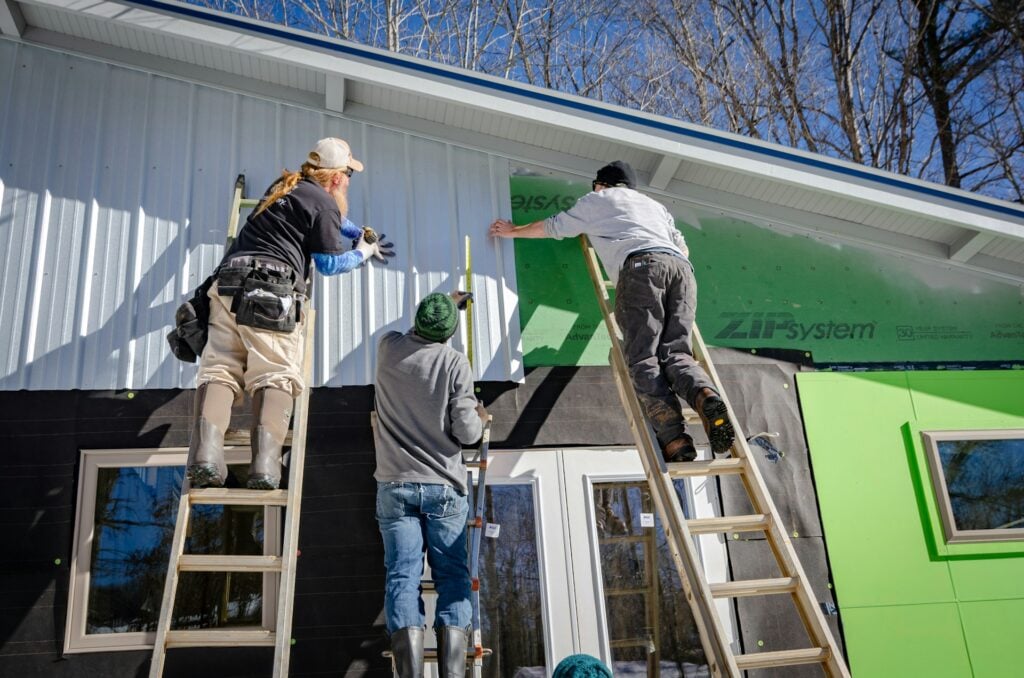
Customizing a new home is exciting, but it can also feel like a lot of pressure. Every choice you make shapes how the space will function, look, and feel for years, so it’s worth slowing down and thinking through each step. When you approach the process with clarity instead of rushing through decisions, you end up with a home that fits your lifestyle instead of one you’ll want to change right after it’s finished.
New builds give you more freedom than most home-buying options, but that freedom is the reason smart planning matters. A little extra thought now saves stress later, especially once you’re closer to moving in to a new home and want everything to feel right from day one.
Start with the layout, not the finishes
It’s easy to get excited about flooring, backsplash tiles, and paint colors, but those details don’t matter nearly as much as how the space is structured. Focus first on layout decisions that affect how you’ll live in the home. Think about traffic flow, storage needs, and natural light. If the kitchen layout doesn’t work or the living room feels too tight, no amount of fancy finishes will fix that.
Once the bones feel good, the fun design decisions fall into place more easily. You’ll also avoid costly changes down the road, since rearranging walls and electrical work gets expensive once construction is underway.
Prioritize upgrades that you can’t change later
With a new home construction, some upgrades make a long-term difference while others are easy to swap out in the future. Structural choices, electrical capacity, ceiling height, window placements, and flooring are upgrades to consider carefully because they’re difficult and expensive to adjust once the build is complete.
Things like cabinet hardware, paint colors, and basic lighting can be changed later without much effort. Keeping this in mind helps you spend money where it actually matters and prevents budget regrets once the project moves forward. Smart prioritizing also keeps your decision list shorter, which makes the whole process feel more manageable.
Think realistically about how you live each day
It’s tempting to build for a version of your life that feels ideal, but your home works best when it supports how you actually live. If you cook often, invest in a functional kitchen layout. If you work from home, prioritize a quiet, comfortable office space. If you have kids or pets, choose materials and finishes that can handle daily wear without stressing you out.
You want a home that supports your lifestyle effortlessly. That means choosing storage solutions where you need it, room sizes that make sense, and features that genuinely make your routine easier.
Stay flexible and leave room to grow
Even with careful planning, life changes. A smart home build includes a little breathing room for your future. That might mean an extra outlet in a room you’re not sure how you’ll use yet, a flexible guest space, or storage solutions that make expansion easier later on.
Custom builds are meant to grow with you, not limit you. If you leave some decisions open-ended, you’ll give yourself space to adapt instead of feeling boxed in once the home is finished.

Leave a Reply