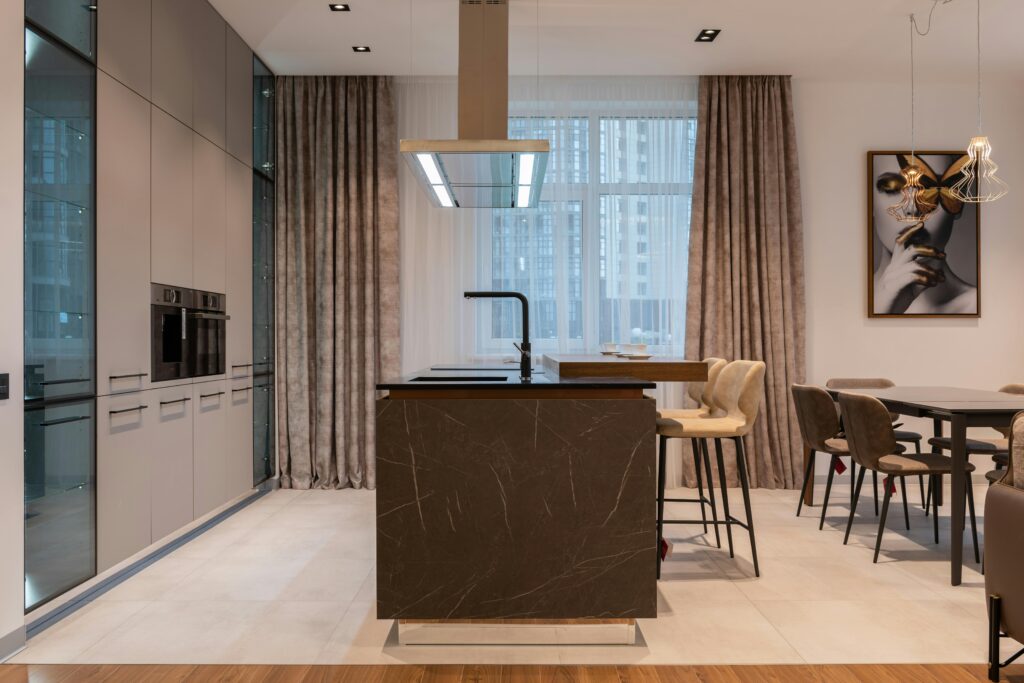
Living in a smaller home forces you to be intentional. Every choice shows. Every shortcut comes back to haunt you. But when you get it right, small spaces don’t feel limiting. They feel sharp. Considered. Surprisingly capable. The secret isn’t doing more, it’s doing the right things on purpose.
Storage Solutions That Actually Work
Forget gimmicks. Real storage starts with honesty. What do you actually use every week? That’s what deserves prime space. Vertical storage is your first win. Walls are underused real estate. Tall shelving, hooks, slim cabinets that stretch upward instead of outward give you room without stealing floor space. The key is keeping them visually light. Open shelving beats bulky cupboards every time, especially in tighter rooms.
Hidden storage is the second layer. Beds with drawers, ottomans that open, benches that store shoes or linens. These pieces pull double duty without screaming “storage.” You gain space quietly, which is exactly what you want.
This is especially powerful in apartments, where permanent changes are limited, but smart furniture choices let you take control of your layout instead of working around it.
Decorating Tips to Maximize Every Corner
Small spaces don’t need less personality. They need better editing. Start with color discipline. That doesn’t mean everything must be white. It means choosing a tight palette and repeating it. When colors flow from room to room, your eye moves without stopping, and the space feels larger. Mirrors still work, but placement matters. One well-placed mirror that reflects light or a focal point beats three random ones every time. Think strategy, not scatter.
Scale is where most people get it wrong. Too-small furniture makes a room feel cluttered and nervous. One properly sized sofa or table grounds the space and makes everything else feel intentional. Leave breathing room around it. Space is part of the design.
Corners are not dead zones. A corner desk, a slim reading chair, or floating shelves turn awkward angles into functional moments instead of visual clutter.
Furniture Choices That Earn Their Keep
If a piece of furniture only does one thing, it’s on probation. Look for items that adapt. Drop-leaf tables that expand when needed. Stackable stools that live neatly until guests arrive. Nesting tables that separate when you need surfaces and tuck away when you don’t. Furniture with visible legs is another quiet trick. It lets light pass underneath, which keeps rooms from feeling boxed in. Heavy, skirted pieces tend to visually shrink a space, even if they technically fit.
How to Host Without Feeling Cramped
You don’t need a bigger home to host well. You need a better plan. Start by rethinking seating. Not everyone needs a chair. Floor cushions, window ledges, and benches create relaxed gathering spots that feel intentional, not improvised.
Clear one main surface and let it work hard. A coffee table becomes a serving station. A sideboard becomes a bar. Fewer surfaces, better used, makes hosting smoother and less chaotic.
Lighting does more than décor ever will. Layered lighting, lamps instead of overhead glare, creates warmth and depth. People feel comfortable, and suddenly the space feels generous instead of tight.
Small Changes, Lasting Impact
Small homes reward thoughtful decisions. When every item earns its place, the space stops working against you. You move more easily. Host better. Live calmer. It’s not about squeezing more in. It’s about making every choice count and letting your space rise to meet you.

Leave a Reply