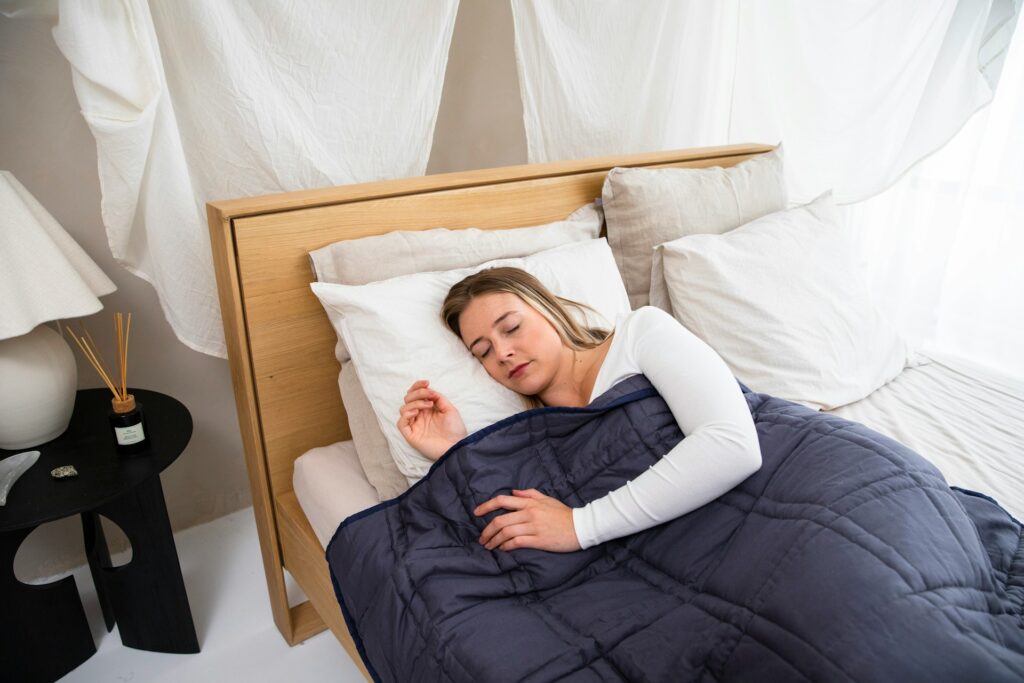
A consistent night of quality sleep is a cornerstone of physical and mental well-being, yet for many, it remains an elusive goal. Disruptions to our sleep patterns can stem from a wide range of issues, affecting everything from our energy levels to our emotional stability. Understanding these challenges is the first step toward reclaiming restorative rest and improving your overall health.
The Spectrum of Sleep Disorders
Sleep disorders are more than just an occasional bad night. These are persistent conditions that disrupt your sleep patterns and can have significant health consequences. There’s a vast range of common sleep disorders, each with unique symptoms and causes. Insomnia, characterized by difficulty falling or staying asleep, is one of the most well-known. Another common condition is sleep apnea, where breathing repeatedly stops and starts during sleep, often leading to loud snoring and daytime fatigue. Other disorders include restless legs syndrome, which involves an uncontrollable urge to move the legs, and narcolepsy, which causes overwhelming daytime drowsiness and sudden attacks of sleep.
Impact on Daily Function and Mood
The consequences of poor sleep extend far beyond simply feeling tired. When you don’t get enough restorative rest, your cognitive functions can suffer. This can lead to difficulty concentrating, impaired memory, and reduced problem-solving skills. The emotional toll is just as significant. Research consistently shows how deeply sleep affects mental health, with sleep deprivation often linked to increased irritability, anxiety, and a higher risk of developing mood disorders like depression. Over time, chronic sleep issues can weaken your immune system, making you more susceptible to illness and contributing to long-term health problems.
Recognizing the Signs of Parasomnias
Beyond issues of getting to sleep or staying asleep, some people experience parasomnias. These are disruptive events or unusual behaviors that happen during sleep, while falling asleep, or upon waking. Common examples include sleepwalking, sleep talking, and night terrors, which are most frequent in children but can affect adults as well. Another unsettling type of parasomnia is sleep paralysis, a temporary inability to move or speak while falling asleep or waking up. These experiences can be frightening and often leave a person feeling anxious about going to bed. Recognizing these events as a specific type of sleep disturbance is key to finding the right support.
Holistic Approaches to Sleep Health
Improving your sleep often starts with simple, consistent habits known as sleep hygiene. Creating a restful environment is foundational. This means ensuring your bedroom is dark, quiet, and cool. It’s also beneficial to establish a regular sleep schedule, going to bed and waking up around the same time every day, even on weekends. Developing a relaxing pre-sleep routine can signal to your body that it’s time to wind down. This might include reading a book, taking a warm bath, or practicing gentle stretching. Limiting exposure to screens and avoiding caffeine or large meals close to bedtime can also make a significant difference in your ability to fall and stay asleep.
When to Consult a Sleep Specialist
While lifestyle adjustments can resolve many sleep issues, some situations require professional medical guidance. If you consistently have trouble sleeping, feel excessively tired during the day despite getting enough hours of rest, or have symptoms that disrupt your daily life, it’s time to consult a doctor or a sleep specialist. This is especially important if you suspect you have a condition like sleep apnea or experience frequent and distressing parasomnias. A specialist can conduct a thorough evaluation, which may include a sleep study, to accurately diagnose the underlying issue and recommend an effective treatment plan.
Prioritizing your sleep is a powerful act of self-care. If you’re struggling, remember that effective strategies and professional help are available to guide you toward more restful nights.

Leave a Reply