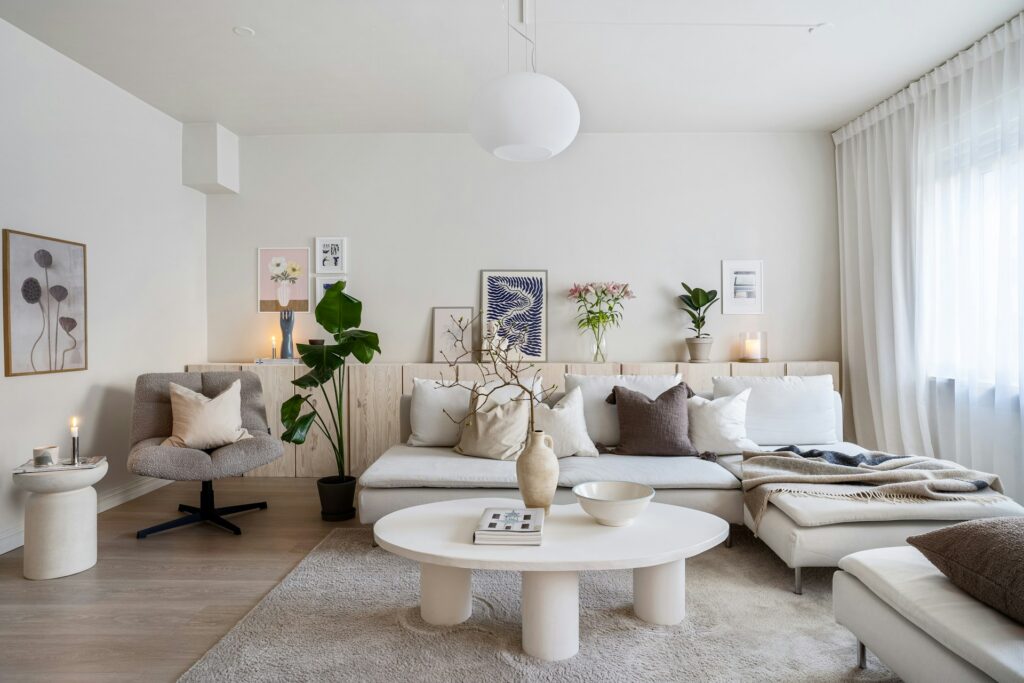
A home that feels too hot or sticky can make ordinary routines surprisingly tense. Concentration drops, tempers shorten, and bedtime becomes harder when indoor conditions stay uncomfortable for hours. Temperature, humidity and airflow all shape how settled a household feels, especially during warm weather. A few practical adjustments can turn shared spaces into calmer places to cook, relax and sleep, without keeping the cooling system on its highest setting all day.
How Heat Stress Disrupts Evening Unwinding
Your body continues working to manage heat long after you come indoors. If the living room remains warm and poorly ventilated, you may feel restless, tired or irritable while trying to prepare dinner or help children settle. Even quiet activities can feel like effort.
Close blinds on sun-facing windows before the hottest part of the day, then use ceiling or pedestal fans to keep air moving. If a room remains uncomfortable, check whether sunlight, blocked vents or poor airflow could be contributing to the problem. These simple adjustments may help reduce indoor heat before you make more substantial changes.
The Biological Link Between Cool Air and Deep Sleep
Body temperature naturally falls as bedtime approaches. A hot bedroom can interfere with this process, delaying sleep and increasing the chance that you’ll wake during the night. Evidence on hot nights and sleep also connects higher night-time temperatures with shorter, poorer-quality rest.
Cool the bedroom before bedtime, keep bedding light and choose breathable fabrics such as cotton or linen. Guidance for sleeping in hot weather also recommends improving airflow and reducing heat absorbed during the day. Aim for a comfortably cool room instead of an icy one, since extreme settings can cause shivering, dryness and frequent waking.
Practical Steps to Balance Household Humidity
High humidity slows the evaporation of sweat, so a room can feel warmer than the thermostat suggests. It also encourages condensation and musty odours. Very dry air creates different problems, including irritated eyes, dry skin and a scratchy throat.
Use a small digital hygrometer to track indoor humidity, with a general target of 30 to 50 per cent. Run exhaust fans while showering or cooking and leave them on briefly afterwards. Wipe condensation from windows, dry laundry outdoors when possible and repair plumbing leaks promptly. If dampness persists in one room, inspect cupboards, exterior walls and furniture for hidden moisture before relying on fragrance products to disguise the smell.
Optimizing Your Air Conditioning for Daily Comfort
Set a steady, moderate temperature and allow the system time to work. Repeatedly shifting the thermostat to its lowest setting won’t necessarily cool the room faster, but it can increase energy use and leave occupants feeling chilled once the space catches up.
If rooms cool unevenly, humidity remains high, or the system struggles to maintain the selected temperature, the issue may require more than a thermostat adjustment. Professional air conditioning assessment can help identify problems with airflow, system performance or maintenance needs. Addressing these issues can make indoor temperatures more consistent and help the household stay comfortable without continually changing the settings.
Clean accessible filters according to the manufacturer’s directions, keep indoor vents clear and remove leaves or clutter from around the outdoor unit. Close doors to unused rooms only if the system is designed for zoned operation. Watch for weak airflow, unusual noises, water leaks or rising electricity use. If routine filter cleaning doesn’t restore normal performance, arrange a service visit.
Sustaining a Relaxed Atmosphere Year-Round
Maintaining a comfortable home throughout the year means paying attention to more than just the temperature. Keep air moving, manage indoor humidity and adjust your routine as the weather changes. Small habits, such as closing blinds during the hottest part of the day and keeping vents clear, can help make your living space more pleasant.
Creating a relaxing environment also involves considering how your surroundings affect your mood and ability to unwind. Simple changes to your daily routine and living space can help you create a calmer, more restful home where you can relax and recharge.

Leave a Reply