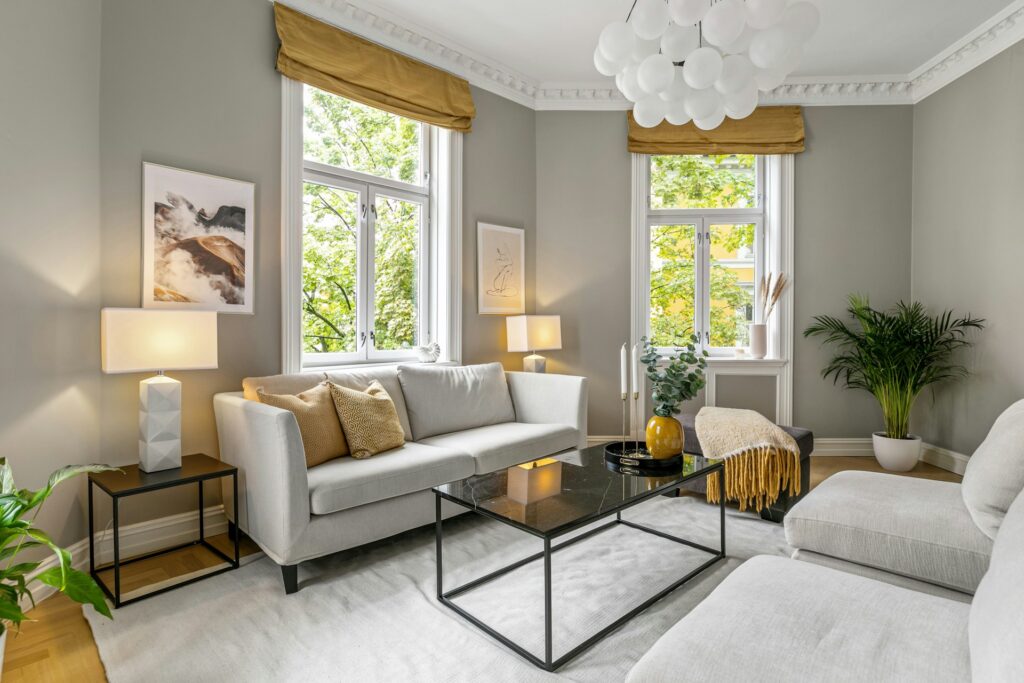
Struggling with poor sleep, low energy, or rooms that feel too bright or exposed can make everyday life less comfortable than it should be. You want a home that supports better rest, lifts your mood, and provides privacy without sacrificing natural light. Simple changes to daylight exposure, window coverings, and evening lighting can help create a healthier, more comfortable living environment.
The Science of Daylight
Daylight helps regulate the circadian rhythm, the internal 24-hour cycle that influences sleep, hormone release, and alertness. Specialized cells in the eyes detect light and send timing signals to the brain. Bright light earlier in the day encourages wakefulness, while low light after sunset supports the natural release of melatonin.
Natural light may also affect emotional well-being. UCLA Health’s overview of natural light and mood explains how daylight exposure is associated with improved mood and greater happiness. At home, placing a desk near a bright window or opening window coverings during daytime chores can increase exposure without changing your schedule.
Morning Light Exposure
Try to get daylight soon after waking, ideally by stepping outside for a few minutes. Outdoor light is generally much brighter than indoor lighting, even on an overcast morning. If going outdoors isn’t practical, open the curtains in the room where you eat breakfast and sit near the window.
Guidance on using light for health recommends viewing morning light without looking directly at the sun. A short walk, time on a balcony, or coffee beside an open window can fit naturally into your routine. Keep in mind that sunglasses, cloud cover, and window glass may change light exposure, so outdoor time remains the simplest option when conditions allow.
Balancing Privacy and View
An uncovered window may brighten a room beautifully, but it can also create privacy concerns, especially at street level. Start by identifying when people can see inside. A window that feels private at noon may become highly visible after dark when interior lights are on.
Adjustable blinds give homeowners, landlords and renovators a practical way to control sight lines while retaining useful daylight. Angled slats can redirect light toward the ceiling, while translucent materials soften the view from outside. In a living room, keeping the upper part of a window open may preserve the sky view while shielding the seating area. Test the window from outdoors during both daytime and evening hours before settling on a setup.
Choosing the Right Window Blinds
Match the window covering to the room’s light, heat, and privacy needs. Bedrooms often benefit from room-darkening materials, while living areas may feel more comfortable with light-filtering fabric. Moisture-resistant finishes suit kitchens and bathrooms, and easy-to-operate designs make sense for windows used several times a day.
Consider direction as well. East-facing rooms receive strong morning light, while west-facing windows often need more control late in the day. North-facing spaces in the Northern Hemisphere generally receive steady light, though the pattern reverses in the Southern Hemisphere. Measure each window at several points because frames aren’t always perfectly square. For more ideas that work alongside window treatments, this guide to lighting for maximum effect covers useful ways to layer light throughout a room.
Evening Lighting Transitions
Dim your home gradually during the last two hours before bed. Bright ceiling fixtures can make the transition to sleep feel abrupt, particularly after a day spent in low indoor light. Use table lamps, wall lights, or dimmable fixtures to create smaller pools of warm light where you need them.
Screen brightness matters too. Lower the intensity, use a warmer display setting, and avoid holding a bright device close to your face in a dark room. Close window coverings once outdoor darkness turns windows reflective, then keep pathways softly illuminated so you can move safely.
A well-managed bedroom should feel clearly different at 9 p.m. than it did at 9 a.m. That visible shift gives your body a useful cue that the active part of the day is ending.

Leave a Reply