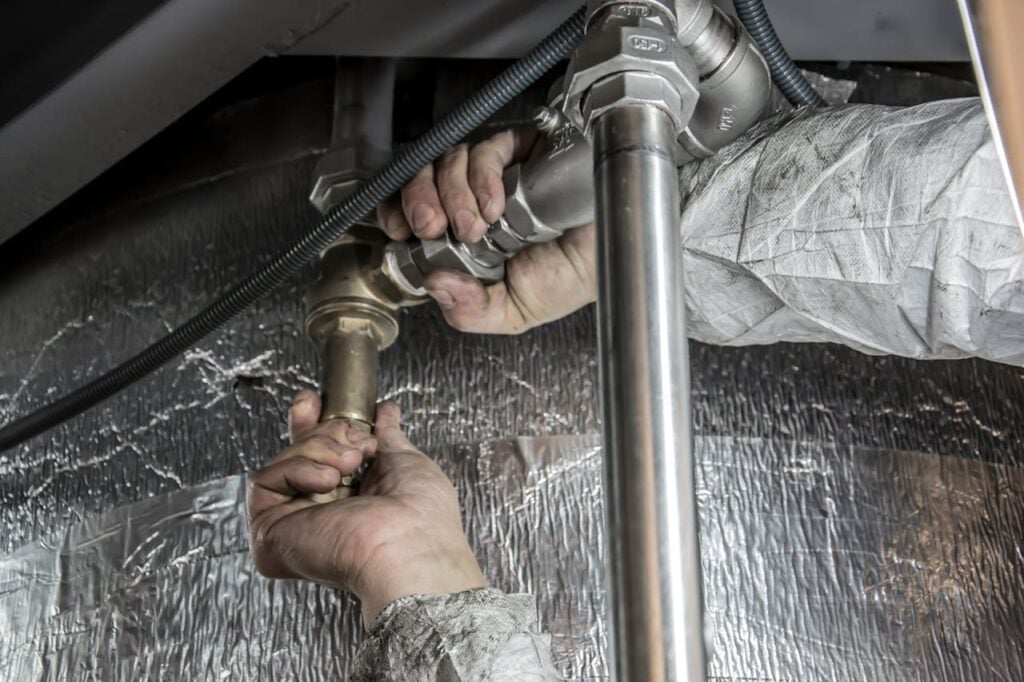
Plumbing problems can occur at any time of the year, however there are certain issues that are particularly common during the winter months. From burst exterior pipes to blocked drains, here is a roundup of some of the biggest faults to look out for.
Burst pipes
During sub-zero temperatures, water within pipes can freeze. This is most likely to happen with pipes in exterior walls or in uninsulated parts of the home such as attics. When these pipes freeze up, they can risk expanding and bursting. This can lead to water damage and mold growth as well as expensive plumbing repairs. How do you prevent this? By considering pipe insulation – this involves using a layer or foam and rubber to keep pipes from getting too cold. Burst pipes tend to occur most commonly when homes are abandoned for long periods in winter due to lack of heating, so bear this in mind when planning lengthy vacations.
Frozen faucets
Faucets (particularly outside ones) can also freeze up in cold weather. This can prevent water from coming out and potentially cause damage to the tap itself. Insulating faucet covers can help to prevent taps from freezing up and could be worth using during the winter months if you have an outside tap that has frozen in the past. Draining taps in the winter if they’re not likely to be used can also prevent them freezing up.
Water heater failure
Water heaters have to work harder in the winter months, which can lead to breakdowns. Older water heaters are most likely to encounter such problems. A few signs that your water heater could be on its way out include discolored water, strange banging noises or no/inconsistent hot water. In these cases, it might be worth investing in water heater installation before a breakdown occurs. If your water heater is relatively new, the risk of encountering problems should be much lower.
Gurgling radiators
If your home is still heated up with traditional radiators, you might encounter ‘gurgling’ sounds in the winter if they haven’t been bled in a while. Over time, radiators may develop bubbles of trapped air, which cause this noise and lead to inefficient heating. ‘Bleeding’ radiators can get rid of this trapped air – this can be done by opening the valve with a radiator key when the heating is turned off. This guide to how to bleed a radiator explains more.
Blocked sink drains
Indoor and outdoor drains can get blocked during the winter months. What causes indoor drains to block? Many people spend more time in their home during winter, which can lead to more home cooking and a greater chance of sink blockages. Such blockages can be avoided by scraping off plates thoroughly before washing up to reduce the amount of food waste going down the plug hole. When it comes to cooking grease, it’s often better to let this solidify and then dispose of it in a bin rather than putting down your sink while it is still a liquid.
But, if you find that your drains are blocked and nothing that you’re doing is working, then it’s best to get in touch with a plumbing repair. They can sort the issue for you, leaving you without a problem going forward.
Leave a Reply