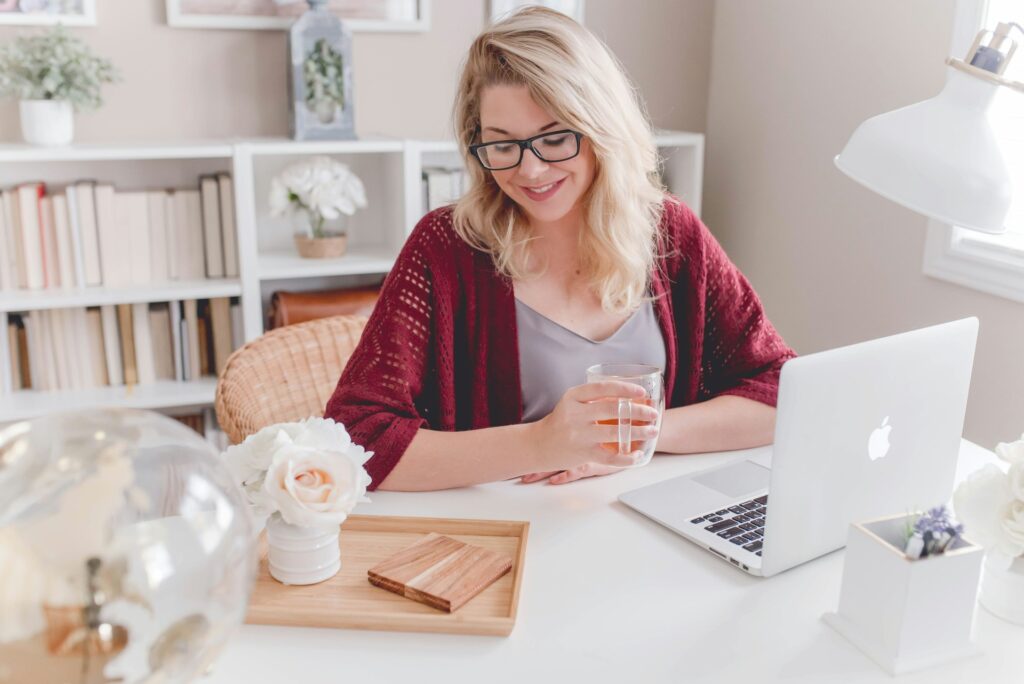
It often feels like our to-do lists stretch on forever, and our own well-being usually ends up at the very bottom. But there are ways to reduce stress and keep yourself healthy. With work, family, and social stuff, finding even a moment for yourself can seem impossible. Still, ignoring your health isn’t a good long-term plan. The trick isn’t to find more time, but to figure out how to use the time you already have to put your health first.
Scheduling Self-Care Priorities
If it’s not on your calendar, it probably won’t happen. We schedule work meetings, dentist appointments, and parent-teacher conferences, so why not do the same for ourselves? Start by treating self-care like any other must-do appointment. This doesn’t mean you need a two-hour spa day. It could be as simple as setting aside 15 minutes in the morning to quietly enjoy your coffee before everyone else wakes up.
Take a look at your week and spot those little bits of time you can claim. Maybe it’s 20 minutes during your lunch break to read a book, or 30 minutes after work for a walk. When you actually put it on your calendar, it feels more official and helps you protect that time from other demands. When you start to block out time for yourself, you’re really showing that your well-being matters.
Prioritizing Health Screenings
One of the most important ways to take care of yourself is by staying on top of your health. When life gets busy, it’s easy to push off annual check-ups and recommended screenings, telling ourselves we’ll get to it “when things calm down.” But it’s much easier to prevent problems than to fix them later. These appointments are your first defense for catching potential issues early.
Chat with your doctor about which screenings are right for your age and health history. This includes regular physicals, blood tests, and specific preventative steps. For instance, keeping up with vaccinations can protect you from illnesses like the flu or the virus that causes shingles disease. Spending an hour or two on these appointments a few times a year is a small effort that pays off big for your long-term health.
Quick Stress Reduction Techniques
Stress is just a part of a busy life, but too much stress can really wear down your body and mind. You don’t need a whole week off to relax. Just having a few quick ways to reduce stress in your back pocket can make a huge difference.
One super effective method is focusing on your breathing. When you feel swamped, take a few moments for some deep-breathing exercises. Breathe in slowly for four counts, hold for four counts, then breathe out for six counts. Doing this for just a minute or two can help calm your nervous system. Other quick options include stepping outside for some fresh air, listening to a favorite song, or doing a few simple stretches at your desk.
Balanced Nutrition and Exercise
“I don’t have time to eat healthy or work out” is something busy people often say. But giving your body good food and moving it regularly actually gives you the energy you need to handle your packed schedule. It’s not about being perfect, but about making small, consistent choices.
For food, try prepping meals on the weekend. Chop veggies, cook a batch of quinoa, or grill some chicken so you have healthy ingredients ready for quick meals during the week. For exercise, aim for short bursts of activity. A brisk 20-minute walk, a quick at-home HIIT workout, or even just taking the stairs instead of the elevator all add up. The goal is to find habits that fit into your life and that you can stick with, not to completely overhaul everything.
Making Time for Prevention
Thinking about prevention means more than just doctor’s visits. It’s about building a lifestyle that supports your overall health and helps you avoid burnout and getting sick. This means learning to set boundaries and saying “no” to things that drain your energy without adding anything good to your life. It also means making sleep a priority. Getting enough rest is super important for everything from your mood to how well your immune system works.
Think of prevention as something you do every day. Are you drinking enough water? Are you taking short breaks during the day to rest your eyes and mind? Are you connecting with people you care about? These small, preventative actions are what build a strong foundation of wellness that can handle the pressures of a busy life.
Ultimately, taking care of yourself lets you be your best self in every other part of your life. It’s not selfish; it’s absolutely necessary.

Leave a Reply