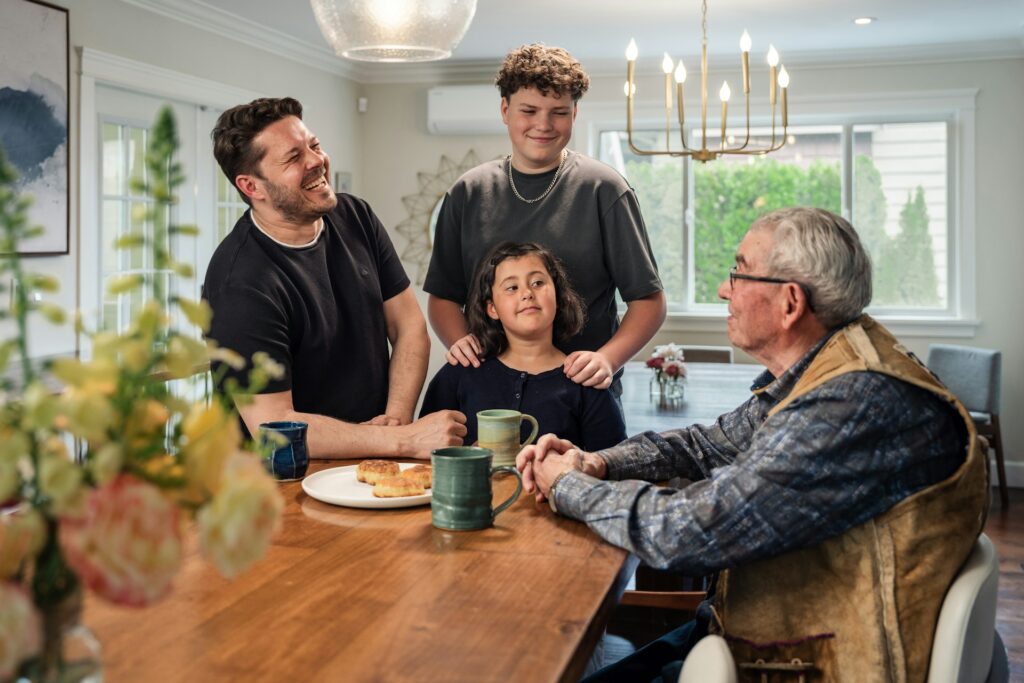
Preparing your home before an aging parent moves in gives everyone time to solve practical problems without rushing. Start by looking at how your parent currently moves, cooks, bathes and rests. The aging in place guide from the National Institute on Aging also recommends considering future needs, including personal care and household support. A few thoughtful updates now can make everyday life safer and help your parent remain involved in family routines.
Assessing Safety on Every Floor
Walk through the house with your parent and pay attention to the places where they pause, reach for support or struggle to turn. The National Council on Aging’s home safety tips cover common concerns such as loose rugs, cluttered walkways and missing handrails.
Check bathrooms, stairways, entrances and the route between the bedroom and kitchen first. Test railings to see if they wobble and move electrical cords away from walking paths. This is also a good time to review overlooked home safety vulnerabilities, including poorly secured windows and hard-to-see outdoor steps. Ask your parent what feels awkward since they may notice barriers you miss.
Creating Ground-Level Comfort Zones
Set up the main floor so your parent can meet most daily needs without repeatedly using stairs. If possible, provide a bedroom near a full bathroom. A den can sometimes become a comfortable sleeping space with a privacy screen, suitable storage and an easy route to shared rooms.
Create a supportive chair area where your parent can read, watch television or talk with family. Choose a firm seat with arms and enough height to make standing easier. Keep a phone, charging cable, water and medications within comfortable reach. If a ground-level bedroom isn’t practical, discuss a stair lift early enough to allow time for a professional assessment, design and installation.
Solving Multi-Story Access Hurdles
Count how often your parent would need to move between floors during a typical day. Laundry in the basement, an upstairs shower or a favorite second-floor room can turn stairs into a frequent obstacle. Moving a laundry station or creating bathroom access on the main floor may reduce those trips.
For stairs that remain in regular use, install secure handrails on both sides when space allows. Mark the edge of each step with contrasting tape so changes in height are easier to see. Keep the entire staircase clear, including the top and bottom landings. Your parent should also have a way to contact someone from every floor, such as a mobile phone carried in a pocket.
Updating Lighting and Flooring
Bright, even lighting helps people spot steps, furniture edges and objects on the floor. Replace dim bulbs, add lamps near reading chairs and install nightlights along the route from the bedroom to the bathroom. Light switches at both ends of a hallway or staircase prevent anyone from crossing a dark area to reach a switch.
Flooring should feel stable underfoot. Remove small rugs or secure them with nonslip backing, then repair curled carpet edges and uneven transitions between rooms. In the bathroom, use a slip-resistant mat with a low profile and add grab bars near the shower and toilet. Avoid using towel racks for support since they may pull away from the wall under a person’s weight.
Establishing Supportive Daily Routines
A safer layout works best when daily routines match your parent’s abilities and preferences. Store frequently used dishes, clothing and toiletries between waist and shoulder height. This reduces bending, stretching and the temptation to use an unstable stool. Place heavier kitchen items where they can slide onto the counter instead of being lifted from a low cabinet.
Agree on a simple check-in routine that respects your parent’s privacy. That might mean sharing breakfast each morning or sending a message after an afternoon walk. Review the setup after the first few weeks because real life often reveals small issues, such as a chair blocking a walkway or a bathroom light that’s difficult to reach. Fixing those details can help the house feel like home for everyone.

Leave a Reply