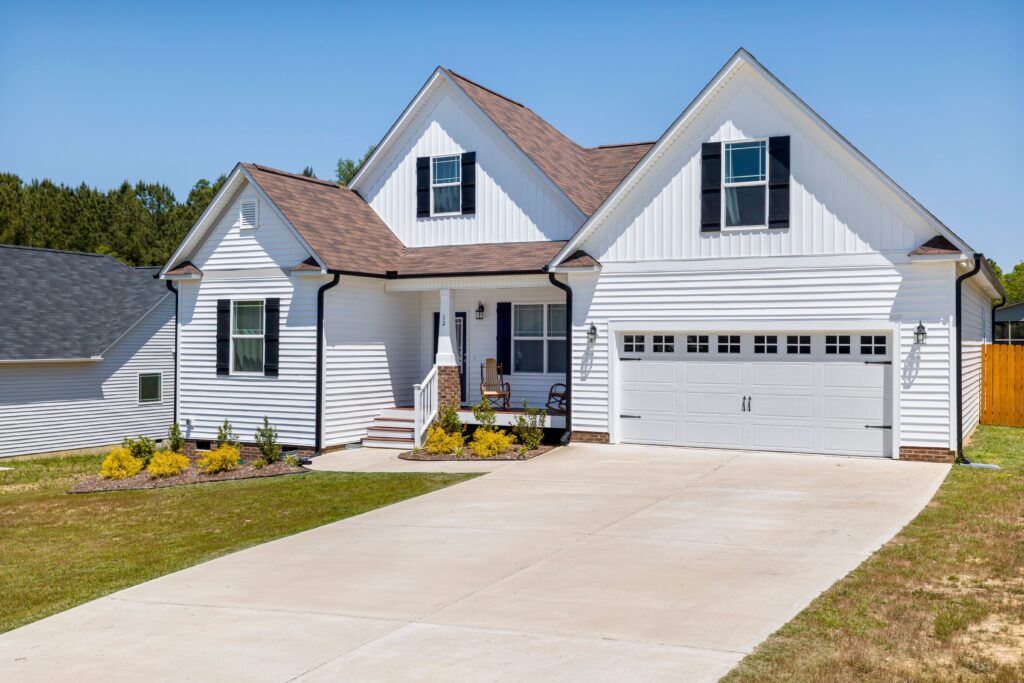
Home safety problems often begin at ordinary access points that receive little attention until something breaks. A loose side gate, aging garage door, or poorly placed sensor can create more risk than an obvious front entrance. Regular checks help you catch these weak spots early, protect your property from weather, and make unauthorized access more difficult.
Assessing Exterior Weak Spots
Walk around your home twice a year and inspect it from the sidewalk to the back property line. Look for loose fence boards, overgrown shrubs, damaged window locks, and dark areas near side entrances. Utility boxes, outdoor outlets, and basement windows also deserve attention because damage in these spots may go unnoticed.
Weather can turn minor defects into larger safety concerns. Cracked siding may admit moisture, while loose trim can pull away during strong winds. If your house has several decades behind it, this guide to evaluating older home exteriors explains what to examine in storm-prone areas.
Think about visibility as you inspect. Shrubs should stay below windows, and tree branches shouldn’t block exterior lights. Security guidance on overlooked access vulnerabilities focuses on commercial properties, but its core lesson applies at home: secondary entrances can become weak points when no one routinely checks them. Add each concern to a written repair list with a target date so small jobs don’t disappear from memory.
Why Heavy Entry Points Fail
A heavy garage door may look secure, yet its safe operation depends on several connected parts. Tracks guide its movement, cables help control the load, and springs offset much of the door’s weight. One worn component can place extra strain on the rest of the system.
Daily use adds up quickly. A household that opens and closes the door four times per day completes about 1,460 cycles each year. Dirt in the tracks, loose hardware, or poor alignment can make every cycle harder on the equipment. Seasonal temperature changes may also affect lubrication and metal components.
Pay attention to the door between professional service visits. Keep the tracks clear, watch the door complete a full cycle, and test the opener’s reversal feature according to its manual. Never try to adjust high-tension components yourself. If the door drops, binds, or hangs unevenly, stop using it and schedule garage door repair with a qualified professional. Prompt attention can prevent further damage to panels, tracks, and opener components.
Recognizing Signs for Garage Door Repair
Changes in sound and movement often appear before a complete failure. Grinding, scraping, or repeated popping sounds may point to worn rollers, loose hardware, or alignment trouble. A door that shudders during travel also needs attention, especially if one side moves faster than the other.
Check the door from inside the garage while it’s closed. Visible gaps along the sides or floor can allow rain, pests, and outside air to enter. Frayed cables, bent tracks, and sagging sections call for professional evaluation. Don’t touch damaged cables or attempt to force an off-track door into position.
The opener can show its own warning signs. It may run while the door stays still, stop before reaching the floor, or respond inconsistently to controls. First, confirm that the doorway is clear and the sensors are clean and aligned. If those simple checks don’t solve the problem, disconnect normal operation as directed by the manufacturer and arrange service. Keep people and pets away from the area until the door has been inspected.
Sensors That Deter Intruders
Sensors work best when they detect activity early and trigger a useful response. Door and window contacts can alert you when an entry point opens. Motion sensors cover larger indoor areas, while glass-break sensors listen for specific sound patterns. Outside, motion-activated lights can remove dark hiding places near gates, patios, and detached structures.
Placement matters more than quantity. Install contacts on frequently overlooked doors and accessible windows, then position motion sensors where someone would cross the detection zone. Avoid aiming outdoor devices at busy sidewalks, moving branches, or heat sources that may cause frequent false alerts.
A useful physical security guide explains how layered barriers and detection systems address different risks. Apply that principle at home by pairing sensors with working locks, clear sightlines and reliable lighting. Test alerts every month, replace batteries on a set schedule, and confirm that phone notifications still reach every authorized household member. Alerts lose their value when repeated false alarms train people to ignore them.
Creating a Comprehensive Security Plan
Your plan should connect maintenance, lighting, access control, and emergency contacts in one practical system. Start with a simple property sketch that marks exterior doors, windows, gates, garages, and dark corners. Record which areas have locks, lights, or sensors, then note defects and assign repair dates.
Set a routine that fits the home. Monthly tasks can include testing sensors and checking exterior lights. Every six months, inspect locks, trim plants near windows, and review camera views if you use them. Arrange qualified service when a task involves electrical faults, high-tension parts, or structural damage.
Household habits matter too. Everyone should know how to secure each entrance and what to do when an unexpected alert appears. Avoid posting vacation dates publicly and pause deliveries during longer absences. Give temporary access codes to visitors or service workers when your system supports them, then remove those codes afterward.
Keep the final plan short enough to use. A one-page checklist near your household records is more practical than a long document no one opens. Date each inspection, record completed repairs, and pay special attention when a heavy entry point begins moving or sounding different.

Leave a Reply