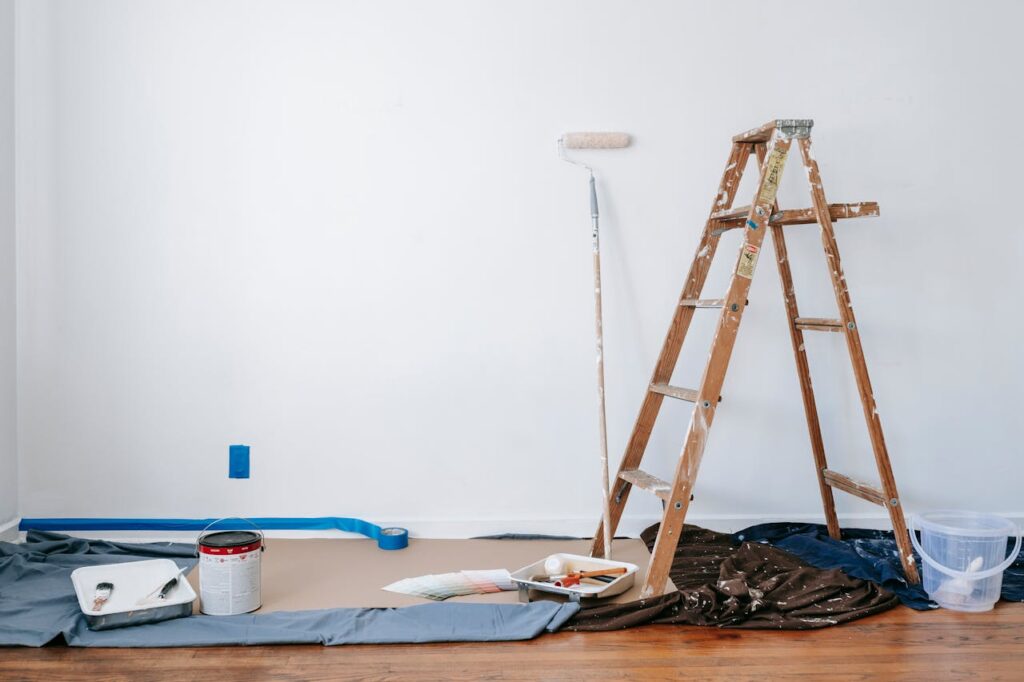
Of all of the rooms in the home, few are so practically important in your day-to-day life as your bathroom. However, few also require quite as much work to keep up with the times. At some point, you might simply have to bite the bullet and plan for a bathroom remodel, but you want to make sure that you get it right. Here, we’ll look at the mistakes you should avoid on the way.
Creating An Incomplete Budget
At the beginning, it’s easy to underestimate how much work will be involved in a remodel. As such, early budgets are often incomplete. Make sure that you include not just the likely costs for tiles, fixtures, and installations, but the demolition, waterproofing, electrical work, or even the permits that you might need for the more extensive remodels. Otherwise, you can run out of funds partway through the project.
Not Hiring The Right Team
If your work is too much for one person to do or involves any kind of changes that you’re not qualified to carry out yourself, you need professional help. Do a little research on how to hire a contractor for a bathroom remodel, ensuring that you choose teams that have experience with the precise kind of project that you have in mind. You should do your research to ensure that your chosen team is certified, insured, and well-recommended. A skilled team not only completes the work but also prevents delays and ensures the finished bathroom is safe, durable, and built to last.
Underestimating The Plumbing Work
While there are plenty of remodels that can involve leaving your existing plumbing layout unchanged, you shouldn’t always expect that to be the case. Outdated pipework, poor water pressure, or inefficient drainage might require some work be done now to prevent major repairs and water damage down the line. Of course, if you plan on moving a toilet, shower, or other appliance, you might have to reroute both supply and waste lines, which can be considerable work, too.
Not Considering Ventilation And Airflow
Any change to the plumbing or heating, especially the installation of new appliances, or changes that alter the layout of the room, should come with some airflow considerations, as well. If you’re not considering where air flows to, and how you get rid of steam and humidity, you can end up with air quality issues, as well as mold growth, peeling paint, and maybe even structural damage. For instance, if you’re resizing or moving your shower, you might need to consider installing a larger extractor fan.
Failing To Plan For Waste
Renovations and remodels of any size can generate a lot more waste than you might think. Broken tile,s plaster, and old fixtures from demolitions are likely to be the biggest source, but leftover materials, packaging, and spent supplies can contribute as well. Hiring a skip, arranging scheduled collections, and being aware of disposal regulations for any potentially hazardous materials (such as mold-contaminated drywall) can be vital.
Bathroom remodels can easily become a lot more troublesome, a lot more expensive, and a lot more time-intensive if you’re not careful. With the tips above, you can make sure that you’re avoiding some of the most common pitfalls.

Leave a Reply