The satisfaction of completing a home project yourself is undeniable. From scrolling through inspiration online to putting on the final coat of paint, DIY can be incredibly rewarding and budget-friendly.
But it can also turn into a costly, time-consuming disaster if you bite off more than you can chew. Knowing which projects are perfect for a weekend and which ones absolutely require a professional is the key to a successful and safe home improvement experience.
Assessing Your Skill Level
Before you even pick up a hammer, the most important step is to be honest with yourself about your skills. Have you ever used a power drill? Are you comfortable with precise measurements? Watching a five-minute video tutorial is not the same as having hands-on experience. A great way to decide is by starting small. If you’ve never done any handiwork, don’t make your first project a full kitchen remodel.
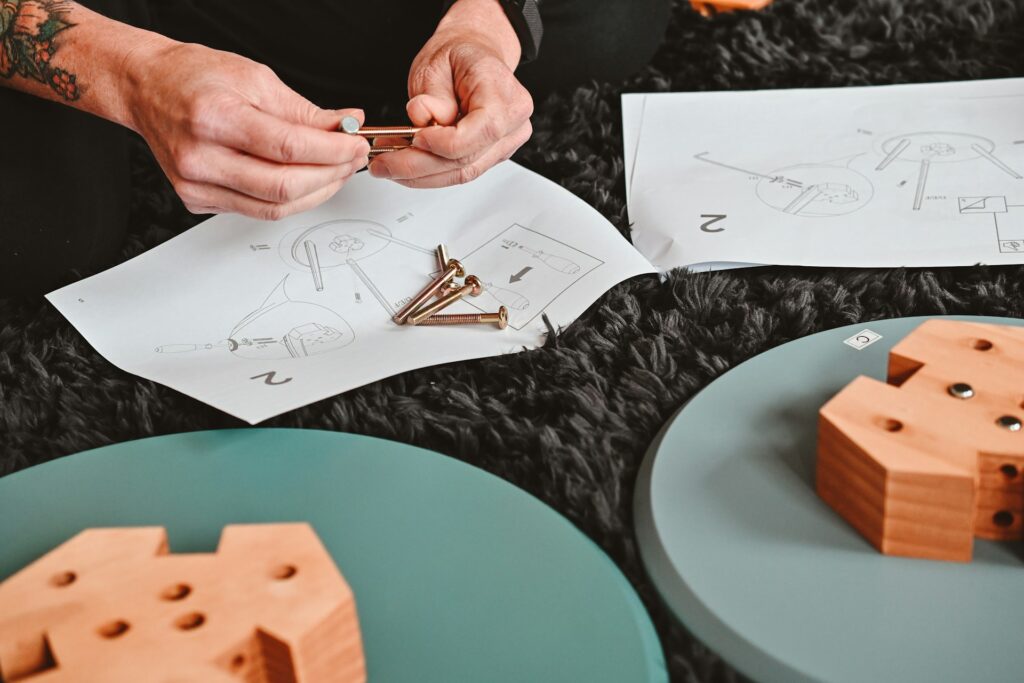
Instead, try something simple like assembling a piece of flat-pack furniture or hanging a gallery wall. These smaller tasks will help you get familiar with basic tools and instructions. As you build confidence and learn what you’re good at, you can gradually take on more complex projects. If you find yourself feeling overwhelmed or confused by the initial steps, it’s a strong sign that this particular job might be better left to a professional.
Tools and Safety First
A common oversight in DIY planning is the cost and availability of tools. While you might own a basic toolkit, many home improvement jobs require specialized equipment that can be expensive to buy or rent. Before committing to a project, make a complete list of every tool you’ll need. You might discover that the cost of acquiring the right gear makes hiring a pro a more economical choice.
Beyond the cost, there’s the critical issue of safety. You need the right protective gear, like gloves, safety glasses and sometimes even respirators. More importantly, you need to know how to use every tool safely. While you might be comfortable with a drill, complex jobs often require professional-grade equipment and knowledge.
For example, the safety harnesses and specific tools needed for professional roof repairs are in a different league from what you’d use to hang a picture frame. Never compromise on safety to save a few dollars.
Common DIY Success Stories
Ready to get your hands dirty? There are plenty of projects that are perfect for beginners and offer a huge sense of accomplishment. These are often cosmetic updates that carry low risk but provide a big visual impact.
Some great places to start include:
- Interior Painting: A fresh coat of paint can completely transform a room, and it’s a very forgiving project for novices.
- Updating Hardware: Swapping out old cabinet pulls, doorknobs and light fixtures is a quick and easy way to modernize your space.
- Simple Landscaping: Planting flowers, mulching garden beds or installing a simple paver path can boost your home’s curb appeal.
- Peel-and-Stick Backsplash: Want to update your kitchen or bathroom without dealing with messy grout? A peel-and-stick tile backsplash is a fantastic weekend project.
When Expert Help Is Essential
Some jobs just aren’t worth the risk. Attempting projects that require specialized licensing or pose a significant safety hazard can lead to dangerous situations, expensive damage and even issues with your homeowner’s insurance.
As a rule of thumb, always call a professional for:
-
-
-
- Electrical Work: Anything involving your home’s wiring should be handled by a licensed electrician. The risk of fire or electrocution is just too high.
- Major Plumbing: While you can probably fix a leaky faucet, moving pipes or installing new plumbing lines requires a pro to prevent major water damage.
- Structural Changes: Never knock down a wall without consulting a structural engineer. You could compromise the integrity of your entire house.
- Roofing: Due to the serious fall risk and the potential for causing massive, costly leaks, roofing work is best left to experienced and insured professionals.
-
-
Finding the Right Professional
Once you’ve decided to hire help, the next step is finding a reliable and trustworthy professional. The best place to start is by asking for recommendations from friends, family and neighbors who have had similar work done. Word-of-mouth referrals are often the most dependable.When vetting potential contractors, always check for proof of insurance and any required licenses. Look at online reviews on multiple platforms to get a balanced view of their reputation. It’s also wise to get at least three different quotes for your project to ensure you’re getting a fair price. Finally, never move forward without a detailed written contract that outlines the scope of work, the total cost, the payment schedule and the projected timeline.
Creating a home you love is a mix of personal touches and expert craftsmanship. Knowing when to do it yourself and when to call a pro ensures every project is a success.

Leave a Reply