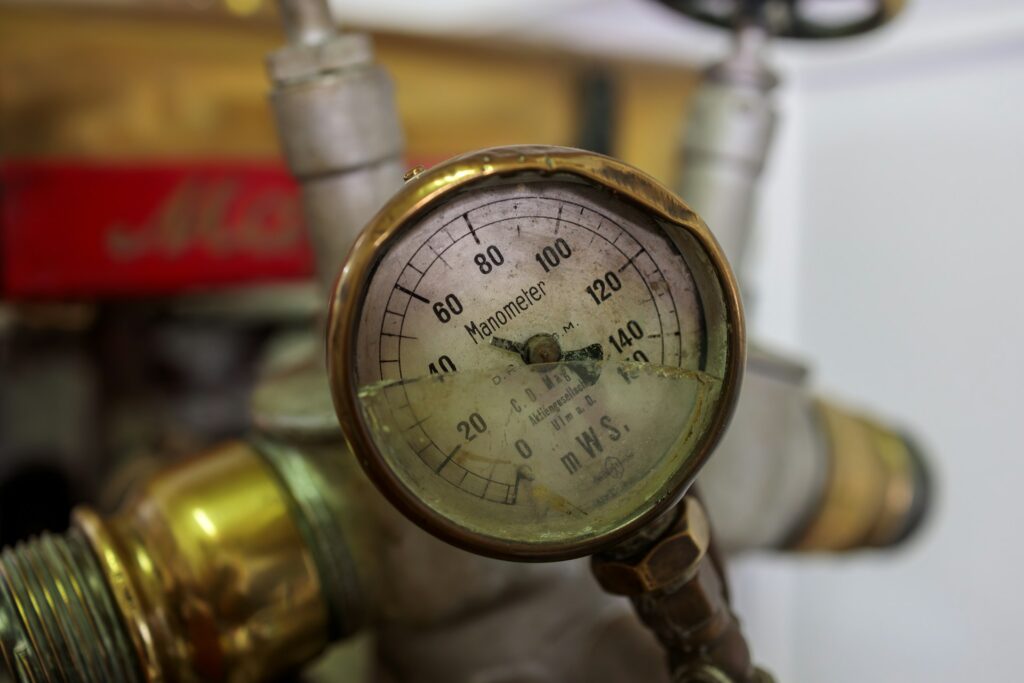
A gas leak or faulty appliance can put your household at risk without obvious warning signs, turning everyday comfort into a serious safety concern. You want peace of mind knowing your family can detect danger early and respond before a small issue becomes an emergency. Simple gas safety checks, proper detector placement, and regular professional maintenance can help protect your home and everyone in it.
Carbon Monoxide Detector Placement
Install carbon monoxide detectors where they can alert you before exposure becomes dangerous. Place one outside each sleeping area and on every occupied level of the home, following the manufacturer’s height and distance instructions. Keep detectors away from steamy bathrooms, ceiling fans, and direct airflow that could affect their readings.
Avoid placing a detector directly beside a fuel-burning appliance because brief emissions during startup may trigger nuisance alarms. The recommended detector locations in your model’s instructions should always guide installation. Test each unit monthly, replace batteries as directed, and write the replacement date on the back so it’s easy to track.
Signs of Failing Ventilation
Pay attention to changes around vents and fuel-burning appliances. Persistent condensation, stale air, soot marks, or unusual odors may point to restricted airflow or poor combustion. A vent grille that collects dust quickly can also signal that the system needs cleaning or professional assessment. Understanding how proper indoor airflow supports a healthier and more comfortable home can also help homeowners recognize why ventilation deserves regular attention.
Never cover ventilation openings to stop a draft. Those openings may supply air that an appliance needs to operate safely. Check outdoor vent outlets for leaves, nesting material, and other visible obstructions, but don’t dismantle ducts yourself. If you notice headaches or nausea that improve after leaving the house, move everyone into fresh air and contact emergency services. Don’t re-enter until professionals say the property is safe.
Schedule a Licensed Gas Fitter
Arrange professional service when an appliance develops an unusual flame, keeps shutting off, or produces soot. Installation, repairs and changes to fuel lines also require qualified attention. In the Darwin area, property owners can contact a licensed gas fitter for residential, commercial or industrial maintenance, repairs and installations.
Before the appointment, note when the problem began and which appliances are affected. Ensure clear access to the appliance, meter and nearby pipework, but leave all connections untouched. Ask the technician to explain any defects found, the work required, and when the system should be serviced again. Keep the invoice and service record with your household maintenance documents for future reference.
Testing Emergency Shutoff Valves
Find your main emergency shutoff valve before you need it. It may be near the meter or where the supply line enters the property. Make sure every adult in the household knows its location and can reach it without moving heavy storage boxes.
Don’t turn or test a fuel-supply valve unless a licensed professional has shown you the correct procedure.
Old, stiff, or corroded valves can leak if they’re forced. Instead, include a visual inspection during your routine checks and arrange service if the handle looks damaged or the area smells unusual. If you suspect a leak, avoid switches and flames, leave the property immediately, and call the emergency utility service from a safe location.
Establish an Annual Safety Routine
Choose a memorable month for a full household utility review. Check detector dates, replace expired units, and look for damaged vents, corrosion, or water staining around appliances. Review service records at the same time so overdue maintenance doesn’t slip through the cracks.
A simple written checklist makes the routine easier to repeat. Record the inspection date, any concerns, and the professional who completed repairs. Rental property residents should report faults promptly to the responsible property manager and keep copies of written notices.
Finish the review by checking that escape routes and utility access points remain clear. A labeled shutoff location, working detectors, and an up-to-date service record give everyone in the home clear guidance if something goes wrong.

Leave a Reply