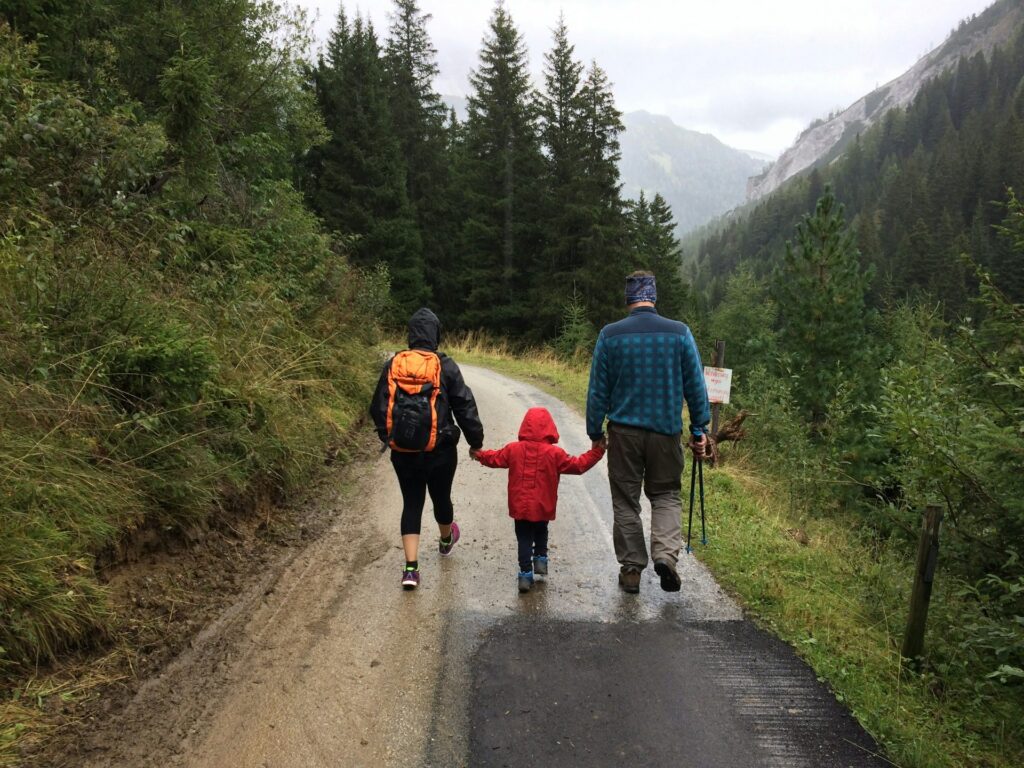
A successful multigenerational trip gives everyone a genuine chance to participate, from young children who tire easily to older relatives who need a slower pace. Modern mobility tools, shared planning apps, and accessible travel information can remove many of the practical barriers that cause family vacations to feel rushed or stressful.
The key is to discuss individual needs early and build the itinerary around how your group actually travels. When comfort and access are part of the original plan, no one has to request special treatment once the trip begins.
Start With an Honest Family Conversation
Bring the group together before booking flights, rooms, or attraction tickets. Each traveler should have space to explain what would make the trip comfortable, including concerns about walking distances, stairs, rest periods and transportation. Parents may need stroller access and early meal times, while grandparents may prefer elevators, nearby seating and a room close to the lobby.
These conversations can feel personal, so keep the focus on logistics. Instead of asking someone to describe a medical condition, ask practical questions: How long can you comfortably walk? Would you like seating every 20 or 30 minutes? Do you need help getting in and out of a vehicle? Clear answers make it easier to compare destinations and accommodations.
Recent family travel survey insights show why this preparation matters. Families often value the chance to spend meaningful time together, but different interests and energy levels can complicate a shared itinerary.
Create one digital note that lists arrival times, room preferences, accessibility needs, and emergency contacts. Give at least two adults access to it. You can also record medication schedules privately for the people who need that information, along with nearby pharmacy locations. This shared reference reduces repeated conversations and helps family members make consistent decisions if plans change.
Choose a Destination That Works on the Ground
A destination may look ideal in photos yet prove difficult once you consider steep streets, long distances and limited places to sit. Review the physical layout before making a reservation. Look at maps, satellite images and recent visitor photos to understand how far people will need to travel between the hotel, restaurants and major attractions.
Choose accommodations near the activities your family cares about most, which can enhance multigenerational family trips; while a central room may cost more per night, it can reduce transportation expenses and save hours of travel during the week. That trade-off may be valuable when your group includes toddlers, older adults or anyone who needs afternoon breaks.
Check hotel accessibility details directly. Ask about step-free entrances, elevator dimensions, bathroom grab bars and the distance from accessible rooms to common areas. “Accessible” can describe very different setups, so request specific measurements when space matters. Confirm the answers in writing through email or the hotel’s messaging system.
The same principle applies to attractions. Practical guidance on trips for every age emphasizes the need to account for varied interests and abilities. Before buying tickets, check entrance routes, seating availability, restroom locations and reentry rules. Reentry can be especially useful if one person wants to return to the hotel while the rest of the family stays longer.
Arrange Mobility Support Before Arrival
Travelers often wait until exhaustion sets in before looking for mobility support. Reserving suitable equipment in advance gives you more control over availability, size and delivery timing. It also removes an errand from the first day of the vacation.
Depending on the group, useful options may include a wheelchair, rollator, walker, stroller or powered device. Travelers visiting major U.S. tourist destinations can reserve mobility scooters and other mobility equipment for temporary use during their stay. A rental can make sense when bringing personal equipment through an airport would be difficult or when someone only needs support for long sightseeing days.
Match the equipment to the traveler and the itinerary. Ask about weight limits, seat dimensions, battery range and charging instructions. Find out if the device can fit into the group’s rental vehicle or chosen transportation. If delivery is available, confirm the drop-off location, arrival window and return procedure before leaving home.
Technology also helps once you’re at the destination. Map applications can identify elevators, alternate entrances and shorter walking routes, though accessibility details may not always be current. Call the venue when a route is unclear. Save screenshots of maps and confirmation details in case cell service becomes unreliable.
Plan a brief practice session after the equipment arrives. Ten minutes spent learning controls, brakes, and folding mechanisms can prevent confusion in a crowded public space.
Build a Flexible Itinerary Around Energy Levels
A packed schedule may look efficient on paper, but it leaves little room for real people. Children can become overwhelmed, older adults may need recovery time, and any traveler can have an unexpectedly low-energy day. Give the group one primary activity each day, then treat everything else as optional.
Schedule demanding outings during the part of the day when the group generally feels best. For many families, that means visiting a popular attraction in the morning, eating lunch nearby and leaving the afternoon open. Others may prefer slow mornings and evening events. Your family’s usual routine is a better guide than a generic travel schedule.
Useful low-stress planning tips include balancing different priorities and allowing family members to spend time apart. Splitting up for a few hours can improve the trip. One group might visit a museum while another relaxes by the hotel pool, then everyone can meet for dinner.
Use a shared calendar or itinerary app to label plans as fixed, preferred, or optional. Fixed items include flights and timed tickets. Preferred activities are things most people hope to do. Optional stops can disappear without disrupting the day.
Add realistic transfer time between activities. A route that takes 15 minutes for one adult may require 30 minutes for a larger family using elevators, assisting children, and stopping for breaks. That extra space keeps a minor delay from affecting every reservation that follows.
Use Technology Without Making It Complicated
Travel technology works best when everyone understands the system. Pick a small set of tools and explain how the family will use them. One shared calendar, one group message and one folder for documents will usually cover the basics.
Store flight confirmations, hotel details, equipment reservations and attraction tickets in a shared cloud folder. Download copies to at least two phones so the information remains available offline. Family members who don’t use apps regularly can carry a printed one-page schedule with addresses and phone numbers.
Location sharing can also help at large resorts, theme parks and transportation hubs. Turn it on only with each person’s consent and agree on how it will be used. It can help a relative locate the group after a rest break or allow parents to find older teens at a designated meeting time.
Portable battery packs are useful because maps, digital tickets and accessibility apps can drain a phone quickly. Pack charging cables that fit each device and assign someone to recharge the battery packs overnight. If a mobility device requires charging, add that task to the evening routine too.
Technology should support personal communication, not replace it. Set a clear meeting point whenever the group separates and choose a backup location in case the first one closes or becomes crowded. A simple plan such as “meet beside the main entrance at 4 p.m.” may be more dependable than a stream of messages in a busy venue.
Make Room for Choice and Rest
Inclusion also means allowing people to decline an activity without feeling as if they’re disrupting the vacation. Talk about this expectation before departure. A grandparent might skip a long excursion and join the family for dinner, while parents may take turns staying with a child who needs a nap.
Reserve accommodations with spaces where people can spend time comfortably. A suite, adjoining rooms or a rental with a living area gives early risers and afternoon nappers some separation. Check that the route between rooms is manageable if family members will be helping one another.
Meals deserve similar flexibility. Review menus before making reservations and check for accessible entrances, high chairs and dietary options. Booking one special group dinner can be more enjoyable than requiring everyone to attend a formal meal every night. Casual breakfasts and flexible lunches leave more room for changing energy levels.
Before each day begins, take two minutes to confirm the plan. Ask who wants to participate, what equipment is needed, and where the group will reconnect. That brief check-in can catch issues before everyone leaves the hotel.
The best final memory may be something simple, such as sharing dessert after different afternoon activities or looking through photos together in the hotel lounge. When every traveler has enough comfort, time, and independence, those relaxed moments become easier to find.

Leave a Reply